
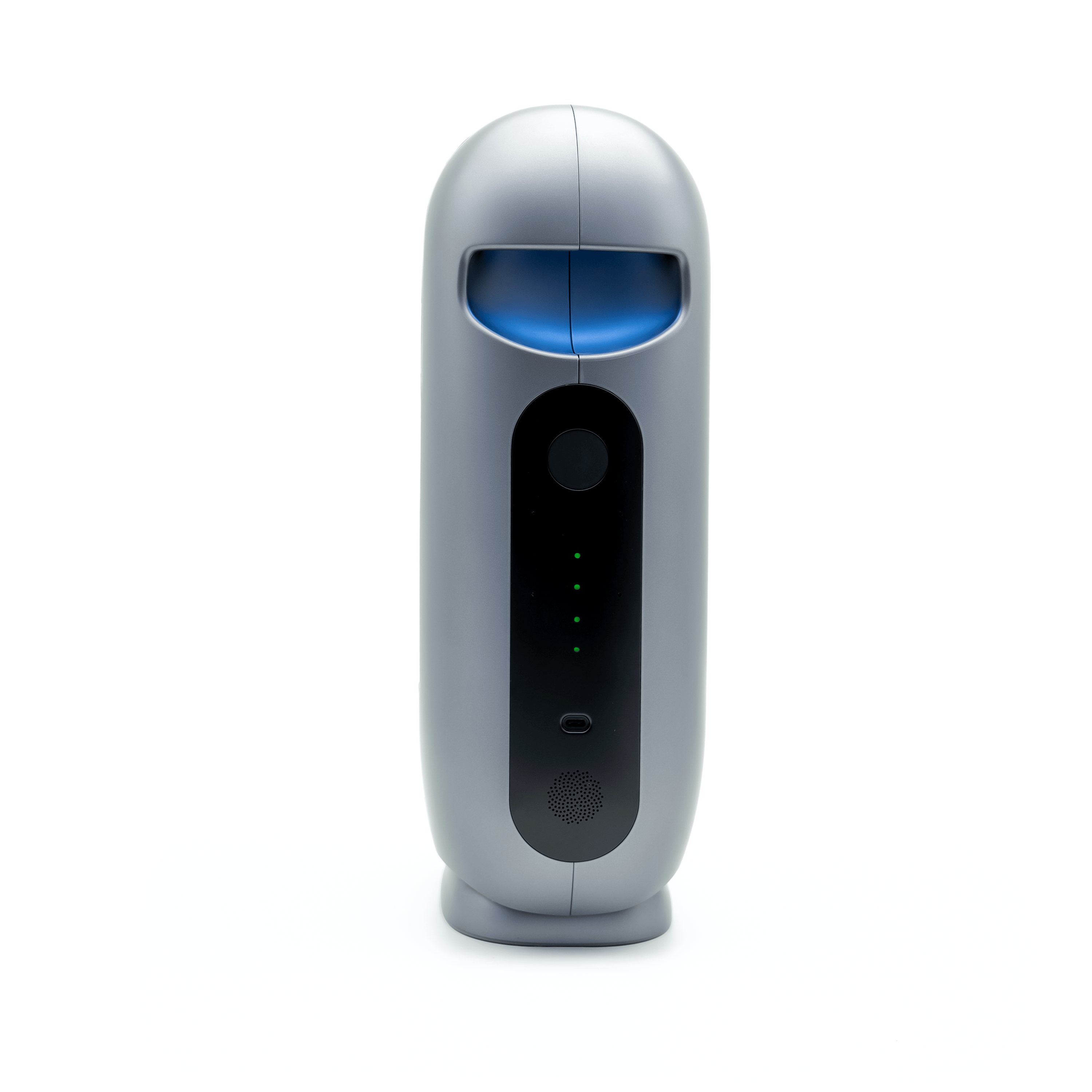


Description
PLEASE NOTE: DWARFLAB has informed us that they are not currently accepting new orders for the Draco Standard model, possibly because most people request the SHO model. The SHO model will continue accepting pre-orders.
Delivery is roughly estimated for year end 2026 but a specific date has not yet been announced.

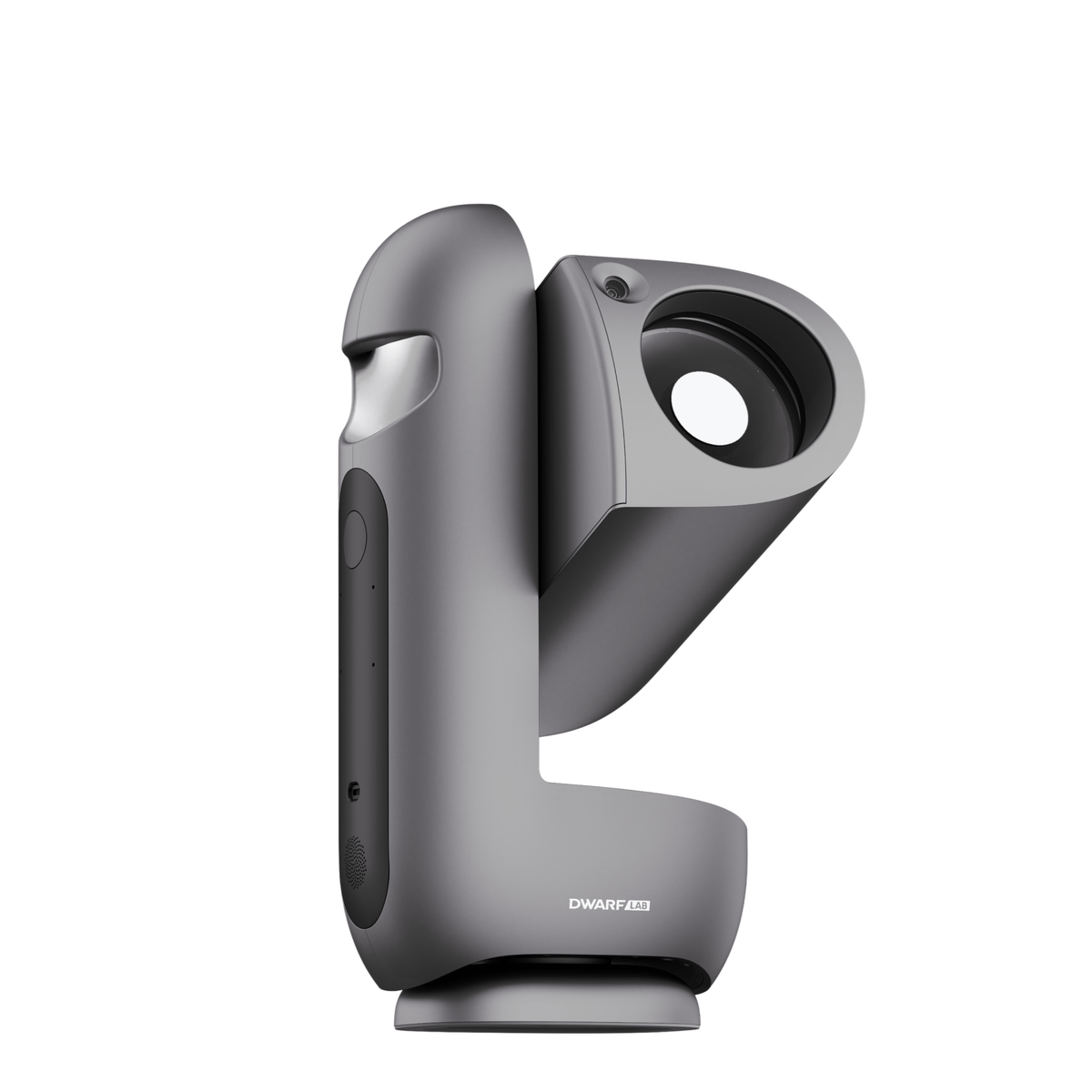
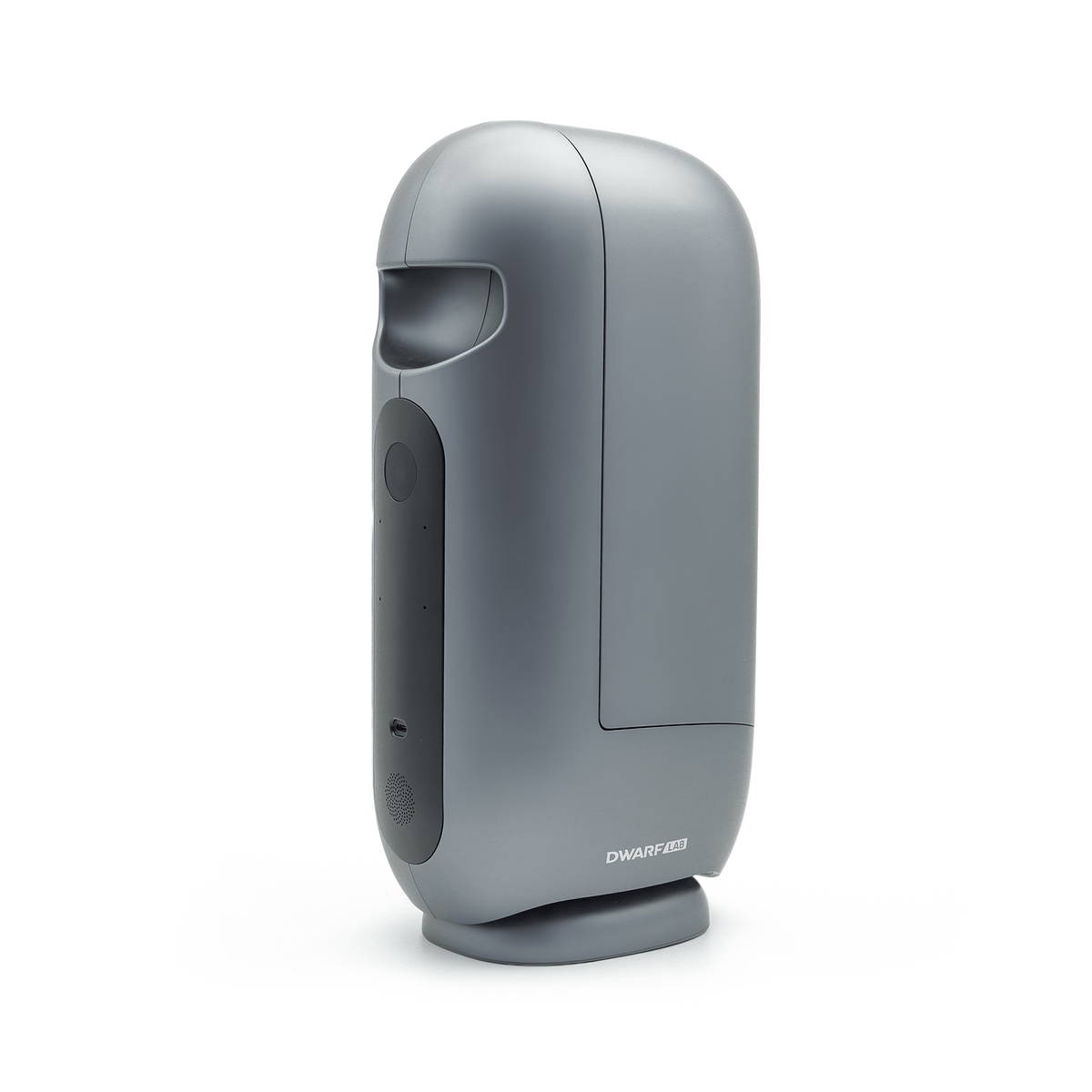
DWARFLAB DRACO Smart Telescope
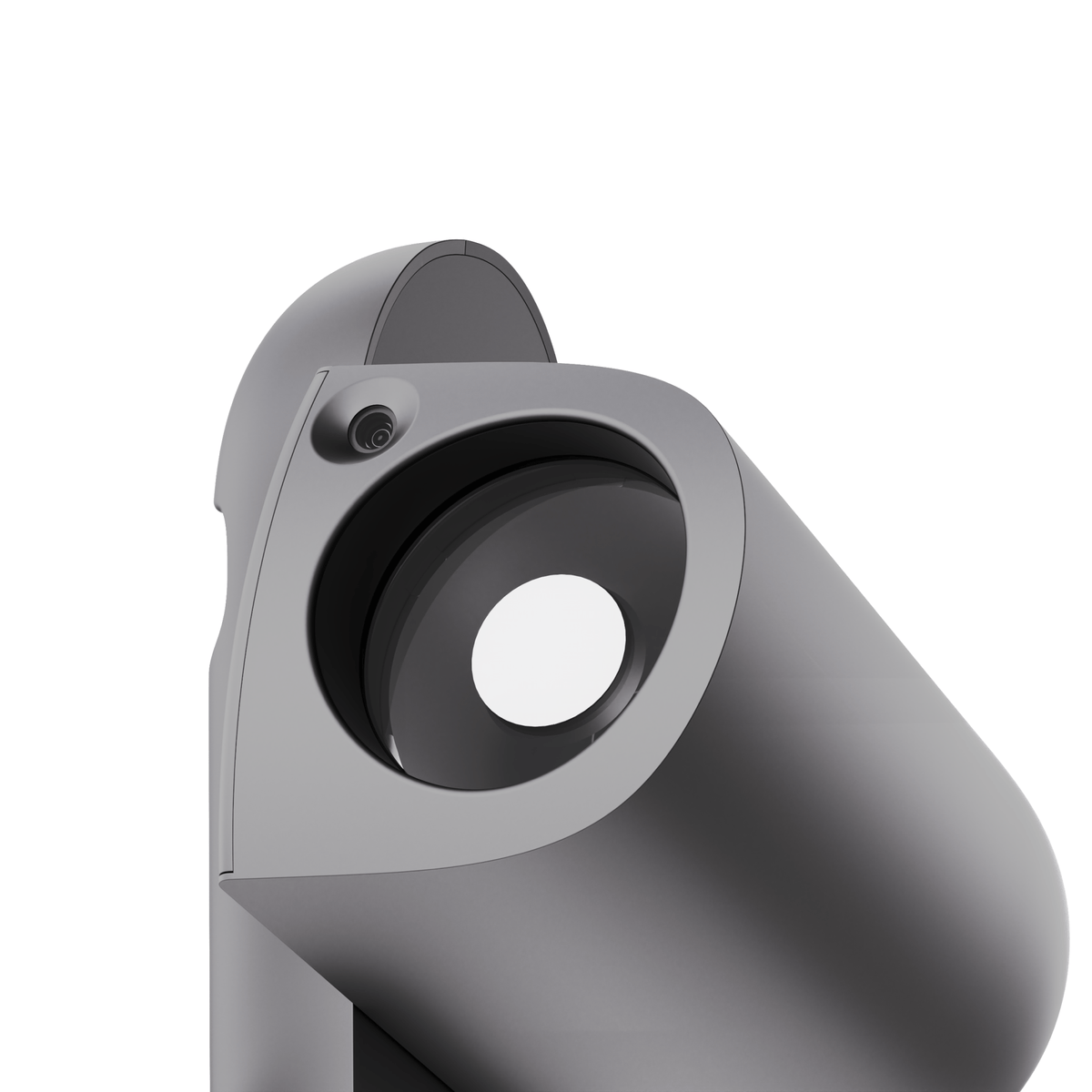
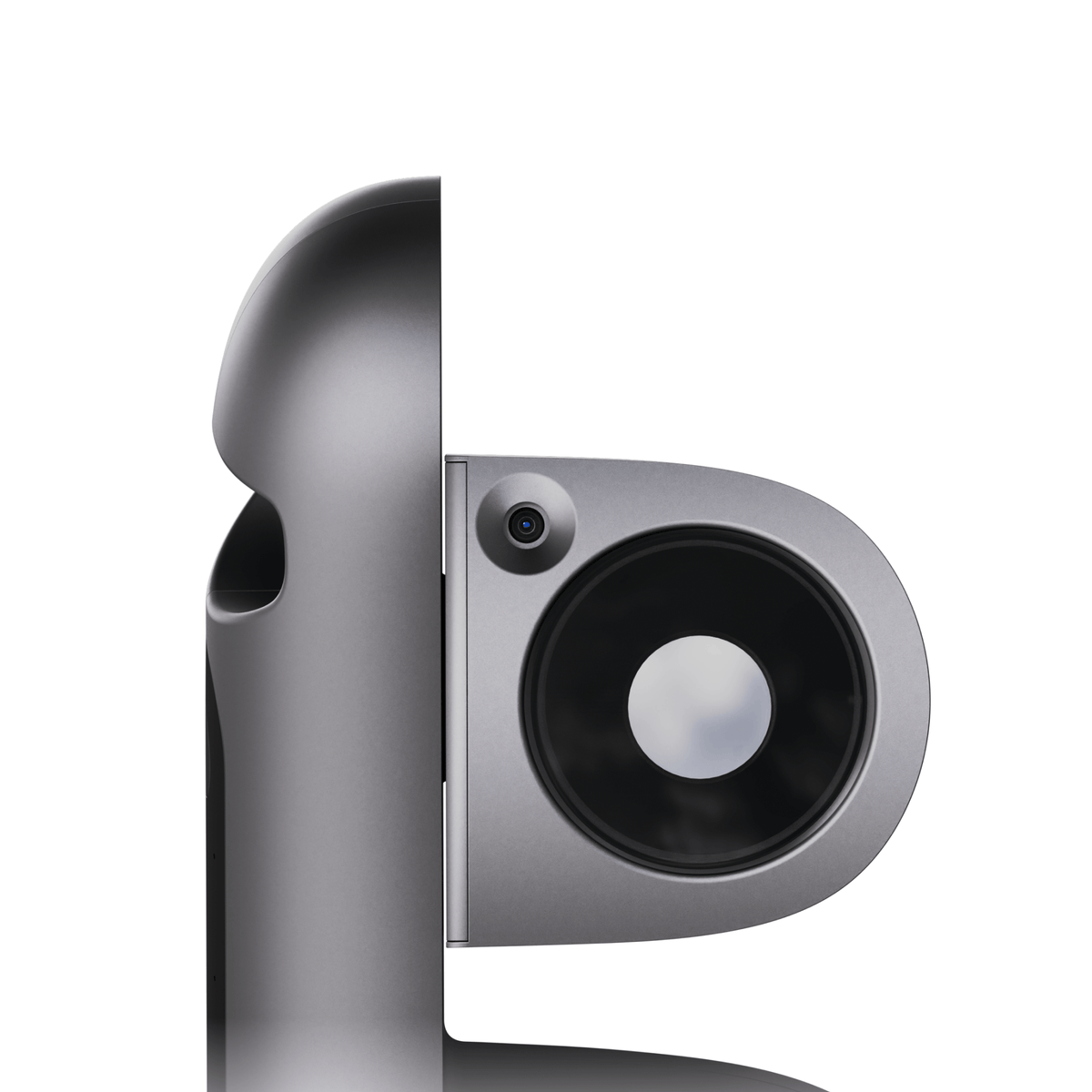
The DWARFLAB DRACO is a high-performance smart telescope designed to bring advanced deep-sky astrophotography into a compact, integrated system. With a 90 mm aperture, fast f/3.8 optics, built-in guiding, physical field derotation, sensor cooling and exposures of up to 300 seconds, DRACO offers capabilities normally associated with much more complex astrophotography setups.
DRACO combines automatic target finding, autofocus, tracking, guiding, calibration, image capture, live stacking and processing through the DWARFLAB App while still giving experienced astrophotographers access to manual controls and FITS/TIFF image data.
DRACO is described in Standard and SHO configurations, which share the same optics, cameras, guiding, cooling and tracking technology. The main difference is the internal filter configuration. We are currently accepting pre-orders for the SHO Edition only; see the availability notice above.

Key Features
- 90 mm telephoto aperture
- 340 mm actual focal length
- Fast f/3.8 focal ratio
- Up to 300-second single-frame exposures
- Built-in monochrome guide camera
- Physical CMOS field derotation
- Active sensor cooling
- Automatic lens dew prevention
- 50.33 MP telephoto and wide-angle cameras
- 2×2 pixel binning for approximately 12 MP deep-sky output
- Integrated filter system
- Automatic calibration and live stacking
- Auto and Pro imaging modes
- FITS and TIFF export
- 128 GB built-in storage
- 10,000 mAh internal battery
- Wi-Fi, Bluetooth and NFC connectivity
- iOS and Android control
Standard and SHO Edition Comparison
Both DRACO editions use the same telescope, imaging sensors and tracking system. The comparison below explains their filter configurations; please see the notice above for current ordering availability.
| Standard Edition | SHO Edition | |
|---|---|---|
| Astronomy Filter | Yes | Yes |
| Dark Filter | Yes | Yes |
| Hα + O III Dual-Narrowband | Yes | Yes |
| S II + O III Dual-Narrowband | — | Yes |
| Built-In Telephoto ND Solar Filter | Yes | — |
| External Magnetic ND Solar Filter | — | Included |
| Automated SHO / Hubble Palette Imaging | — | Yes |
Standard Edition: An excellent all-purpose option for galaxies, star clusters, emission nebulae, solar-system imaging and general astrophotography. Its built-in ND filter also allows solar imaging to be selected directly through the app.
SHO Edition: Designed for astrophotographers who want expanded narrowband capability. The additional S II + O III filter works with the Hα + O III filter to acquire S II, Hα and O III data for automated SHO / Hubble Palette imaging. A magnetic external ND solar filter is included.

90 mm Aperture with Fast f/3.8 Optics
At the heart of DRACO is a 90 mm telephoto optical system with a 340 mm actual focal length. A folded optical design allows DWARFLAB to fit this larger aperture and focal length into a body measuring approximately 386 mm.
The fast f/3.8 focal ratio gathers faint deep-sky signal efficiently, making DRACO well suited to imaging nebulae, galaxies, star clusters and other low-contrast targets.
DWARFLAB also uses an aberration-corrected optical system designed to maintain tight, well-defined stars from the centre toward the edge of the image.
Narrowband Filters for Nebula Imaging
The Hα + O III filter isolates emission at 656.3 nm and 500.7 nm, with a 13 ± 3 nm bandpass for each channel. The SHO Edition adds S II at 671.6 nm plus O III at 500.7 nm with the same bandpass. Sequential filter capture, channel separation, colour mapping and composition automate SHO imaging.
The astronomy filter passes 430–690 nm. Narrowband filters help suppress background light for emission nebulae; darker skies remain beneficial for broadband targets such as galaxies, reflection nebulae and the Milky Way.
Dual-Camera Imaging
DRACO can capture wide-angle and telephoto images simultaneously, recording a detailed target alongside a broader view of the night sky.
Telephoto Camera
- 1/1.3-inch sensor
- 50.33 MP native resolution
- 340 mm actual focal length
- 1200 mm equivalent focal length in Astronomy Mode
- 1.197 μm native pixels
- 2.394 μm effective pixels with 2×2 binning
- Approximately 12 MP output when using 2×2 binning
Wide-Angle Camera
- 1/1.55-inch sensor
- 50.33 MP sensor
- 23.3 mm equivalent focal length
- 73.20° horizontal × 58.23° vertical field of view; 85.74° diagonal
- Ideal for Milky Way imaging, star trails, landscapes and wide-field photography
For Sun, Moon and planetary imaging, DRACO uses native 1×1 pixel readout with intelligent cropping around the target. Deep-sky imaging uses 2×2 binning for approximately 12 MP output.
A separate 4.09 MP monochrome guiding camera continuously monitors star movement and provides tracking corrections during long exposures.

Up to 300-Second Single-Frame Exposures
DRACO combines built-in guiding, physical field derotation and a precision drive system to support individual exposures of up to 300 seconds.
The guide camera monitors star drift and corrects tracking errors in real time while the imaging sensor physically rotates to counter field rotation. This helps maintain sharp stars during long exposures without requiring a conventional astrophotography mount and separate guiding system.
Active Cooling & Automatic Dew Prevention
Long exposures can increase sensor temperature and introduce unwanted thermal noise. DRACO uses built-in cooling and heat dissipation to reduce thermal noise at the source and provide cleaner image data.
Heat generated by the imaging system is also redirected to provide automatic lens dew prevention, helping keep the optics clear during cold or humid observing sessions.
DRACO is rated for operation from -20°C to 45°C, making it well suited to a wide variety of observing conditions.
Physical CMOS Rotation
Instead of forcing you to rotate the entire telescope to change composition, DRACO can physically rotate its imaging sensor. Framing can be changed directly from the app, allowing landscape, portrait and custom-angle compositions.
The same physical rotation system is also used to compensate for field rotation during tracking.
From Target Selection to Finished Image
Select a target in the DWARFLAB App and DRACO can automatically handle the major steps of an astrophotography session.
- Target acquisition
- GoTo positioning
- Autofocus
- Calibration
- Tracking
- Guiding
- Image capture
- Live stacking
- Calibration-frame application
Auto Mode automatically selects appropriate imaging settings, while Pro Mode provides manual control over exposure time, gain, filters and other settings. Exposure times range from 1/10000 second to 300 seconds.
Automatic Calibration Frames
DRACO includes built-in flat and bias calibration data and can capture dark frames automatically. During live stacking, calibration can be applied automatically to help reduce thermal noise, vignetting, dust shadows and read noise.
Integrated Equatorial Mode
Normal Alt-Az operation combines guiding and physical field derotation without conventional polar alignment or a separate equatorial mount. Near the zenith, field rotation changes more rapidly, so DWARFLAB recommends Equatorial Mode for targets at very high elevations. Follow the in-app guidance to position DRACO at the required angle.

Much More Than Deep-Sky Imaging
DRACO supports a wide range of astronomical and general imaging applications, including:
- Deep-sky astrophotography
- Solar imaging
- Lunar imaging
- Planetary imaging
- Milky Way photography
- Star trails
- Wide-angle photography
- Video
- Panorama
- Burst imaging
- Time-lapse
Astro Mosaic & Multi-Night Stacking
Astro Mosaic automatically captures and stitches multiple sections, extending the frame by up to 1.8× in width and height for approximately three times the overall field of view.
Multi-Night Mega Stacking combines data across sessions and allows data taken with different settings or filters to be restacked. Automatic rejection during live stacking is complemented by manual frame review, so frames affected by clouds or other interference can be removed before restacking.
Star Trail Mode produces a still image and time-lapse video from one session. Milky Way Mode offers AR guidance and separate sky and landscape stacking.
DWARFLAB App & Stellar Studio
DRACO is controlled from the DWARFLAB App on iOS and Android. Stellar Studio provides integrated astrophotography processing tools without requiring desktop image-processing software for every session.
The AR Wide-Angle Sky Finder helps identify visible targets and obstructions. The real-time star atlas offers observing recommendations, favourites, framing previews and target filters for time, brightness, altitude and azimuth. Follow Mode aligns the star map with your phone’s view and guides you toward selected targets.
Available tools include automatic enhancement, noise reduction, star reduction, star removal, star extraction, diffraction-spike effects and Hubble Palette processing.
For users who prefer a traditional processing workflow, DRACO can export JPG, PNG, FITS and TIFF image files.
PhotonVerse & Collaborative Imaging
PhotonVerse lets users explore and share images, targets and imaging methods. Star Party supports collaborative imaging of the same target, with CoStack for combining data and CoMosaic for larger deep-sky mosaics.
A Portable Remote Observatory
DWARFLAB's PhotonLink remote-control service allows DRACO to be operated remotely through the DWARFLAB App. Imaging settings, filters and supported telescope functions can be controlled without remaining beside the telescope.
For remote solar imaging with the SHO Edition, attach the included external ND filter before starting; this filter requires manual installation.
DRACO also supports wired Ethernet connectivity through USB 3.0 for installations where greater network stability or faster data transfer is preferred.
Scheduled shooting allows imaging targets, times and parameters to be configured in advance so DRACO can carry out extended imaging plans automatically.

What's Included
- DWARFLAB DRACO Smart Telescope
- Protective carrying case
- Aluminum-alloy tripod
- USB-C data cable
- Lens cleaning cloth
SHO Edition: Also includes the external magnetic ND filter required for solar imaging.

Technical Specifications
| Optical System | |
|---|---|
| Telephoto Aperture | 90 mm |
| Wide-Angle Aperture | 2.96 mm |
| Telephoto Focal Length | 340 mm |
| Wide-Angle Focal Length | 5.56 mm |
| Focal Ratio | f/3.8 |
| 35 mm Equivalent Focal Length | 1200 mm telephoto in Astronomy Mode; 1280 mm telephoto in non-astronomy modes; 23.3 mm wide-angle |
| Telephoto Focusing Distance | 25 m – ∞ |
| Telephoto Field of View | Astronomy: H 1.649° / V 1.238° / D 2.059° Other modes: H 1.549° / V 1.162° / D 1.936° |
| Wide-Angle Field of View | H 73.20° / V 58.23° / D 85.74° |
| Guide Camera Field of View | H 0.905° / V 0.512° / D 1.040° |
| Imaging System | |
| Telephoto Sensor | OV50Q40 |
| Wide-Angle Sensor | OV50E40 |
| Guide Sensor | OS04C1B monochrome |
| Telephoto Sensor Format | 1/1.3 inch |
| Native Pixel Size | 1.197 μm |
| Pixel Size After Binning | 2.394 μm — 2×2 binning |
| Telephoto Resolution | 50.33 MP |
| Wide-Angle Resolution | 50.33 MP |
| Guide Camera Resolution | 4.09 MP |
| Binned Output Resolution | Approx. 12 MP |
| Aspect Ratio | 4:3 |
| Wide-Angle Sensor Format | 1/1.55 inch |
| Mount & Tracking | |
| Maximum Single Exposure | 300 seconds |
| Tilt Range | 310° |
| Rotation Range | 360° |
| Mounting Threads | 1 × 3/8 inch; 2 × 1/4 inch |
| Motor & Field-Derotation Speed | 0.001°/s–12.83°/s (0.06°/min–770°/min) |
| Power & Connectivity | |
| Battery | Built-in 7.7 V / 10,000 mAh; manufacturer-stated battery life: 5 hours |
| External Power | USB-C charging supported |
| Connectivity | Wi-Fi, Bluetooth, NFC |
| Wi-Fi Operating Range | Up to 10 m |
| Storage | 128 GB built-in |
| Software & Media | |
| Compatible OS | iOS & Android |
| File Formats | JPG, PNG, MP4, FITS, TIFF |
| Streaming | RTSP, H.264 / H.265 |
| NPU | 6 TOPS |
| Physical | |
| Weight | 5.5 kg |
| Dimensions (W × H × D) | 196.28 × 385.85 × 133.25 mm |
| Operating Temperature | -20°C to 45°C |

Ressources supplémentaires