
This is where experience meets curiosity, where the night sky is explored through real observing sessions, practical techniques, and thoughtful takes on the gear, science, and stories shaping our hobby.
From deep-sky adventures and planetary season highlights to astrophotography tips, equipment perspectives, and astronomy news worth paying attention to, Through the Lens is built for anyone who lives for clear nights and better views. Whether you're refining your setup, chasing elusive targets, or simply staying connected to what's happening above, you'll find something here to spark your next session under the stars.
Stayed up late and learned something worth sharing? Submit your article by emailing it to social@telescopescanada.ca.
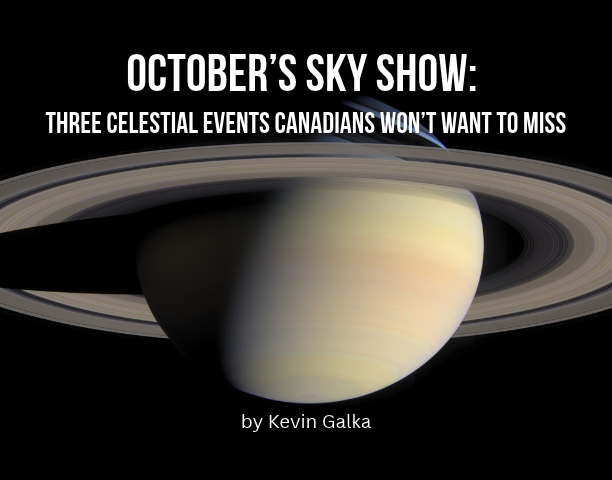
October’s Sky Show: Three Celestial Events Canadians Won’t Want to Miss
From Saturn at its annual best to two meteor showers and a rare disappearing act by Jupiter, October 2026 offers a packed calendar for Canadian skywatchers.
Longer nights, cooler air and a trio of well-timed celestial events make October an inviting month to look up. Whether you have a backyard telescope, a pair of binoculars or simply a warm coat and a dark place to stand, the Canadian autumn sky has something to offer… from the steady glow of Saturn to streaking meteors and a pre-dawn lunar occultation of Jupiter.
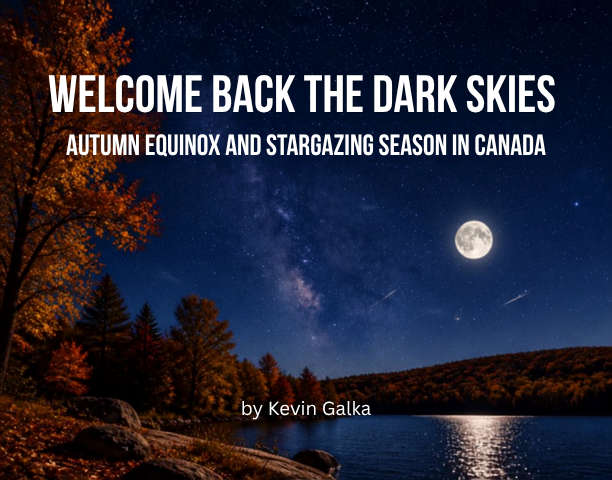
Welcome Back the Dark Skies: Autumn Equinox and Stargazing Season in Canada
When the autumn equinox arrives in late September, day and night are nearly equal in length. From that point onward, darkness gradually takes the lead, giving stargazers more time to step outside and enjoy the night sky. Cooler temperatures and clearer evenings can make fall one of the most rewarding seasons for astronomy across Canada.
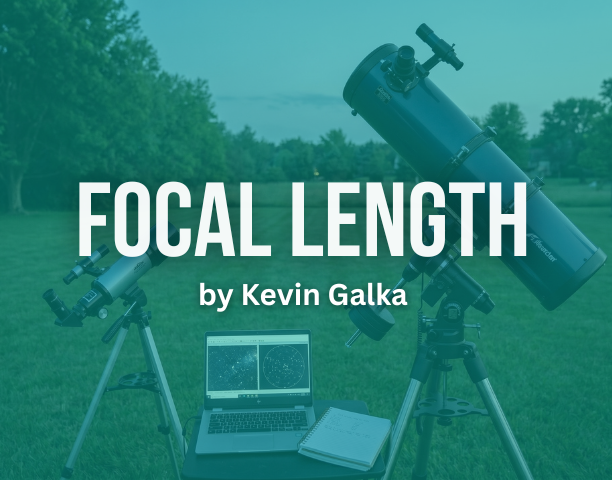
Focal Length
The sky is full of amazing celestial objects, but what scope to use usually boils down to a choice between Widefield (short focal length) or Narrow Field (long focal length) setups. Often people ask which is better and truthfully both can be good, but selecting the right focal length can be one of the most critical decisions in astrophotography, as it determines not just what you see, but how much you’ll struggle to capture it.
Spring Astronomy in Canada
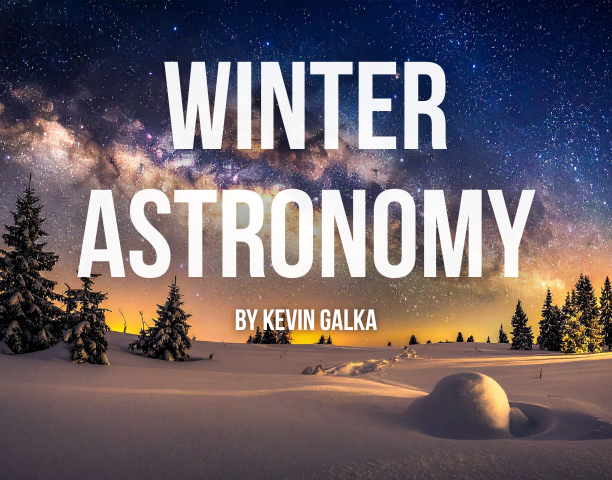
Winter Astronomy
Explore the magic of winter stargazing, where longer nights and crystal-clear skies reveal Orion, Taurus, brilliant planets, and deep-sky wonders at their best. This article highlights what to see in the winter sky while sharing practical tips for observing comfortably and safely in cold conditions—so you can make the most of the season’s stunning celestial views.
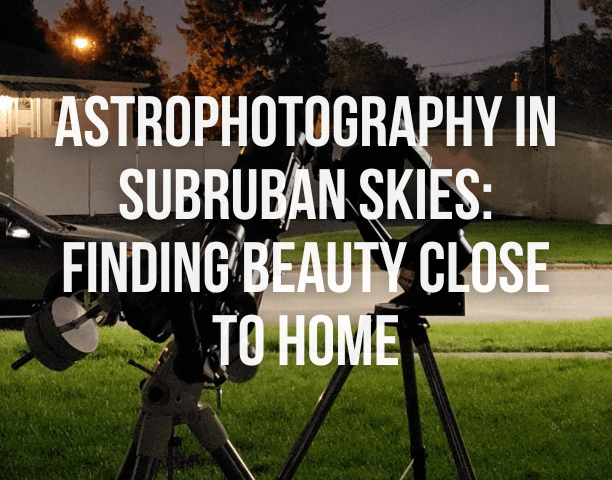
Astrophotography in Suburban Skies: Finding Beauty Close to Home
Astrophotography isn’t just for dark-sky sites. This article explores astrophotography in suburban skies, sharing practical tips and techniques to capture stunning night-sky images close to home. Learn how to overcome light pollution and find beauty in the stars from your own backyard.

Constructing a Concrete Telescope Pier for Astrophotography - Part 2
In Part 2 of the concrete telescope pier series, the project moves into the practical construction phase, detailing how to prepare and build the pier foundation for astrophotography. The author provides a step-by-step guide to building a concrete telescope pier, covering materials, sonotube setup, rebar placement, alignment, and concrete pouring for astrophotography.
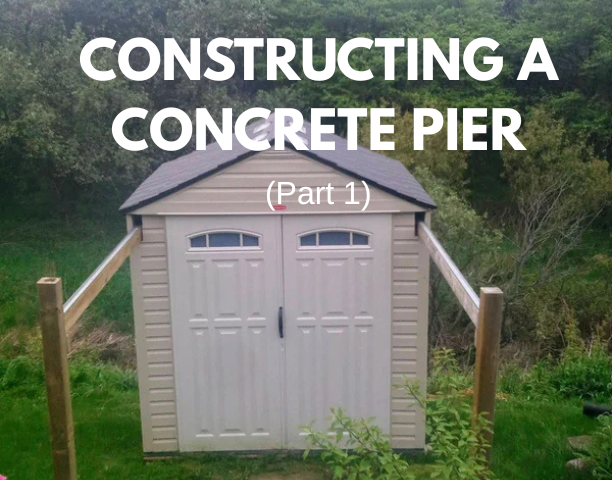
Constructing a Concrete Telescope Pier for Astrophotography - The Saga Begins...
A Concrete Pier: The Saga Begins documents the first phase of a permanent telescope pier build, exploring the planning, design decisions, and hands-on challenges of creating a stable foundation for long-term astronomical observing and imaging. This post walks readers through the early groundwork, lessons learned, and practical considerations that set the stage for a serious backyard observatory project.